
If you’re just starting your journey into this fascinating art form, you’re in for a treat. Watercolor painting is known for its fluidity and transparency, offering a unique set of challenges and rewards. This beginner’s guide is here to help you embark on this artistic adventure with confidence and creativity.
Getting Started: The Essentials
Before you dip your brush into water, let’s talk about what you’ll need to begin your watercolor journey:
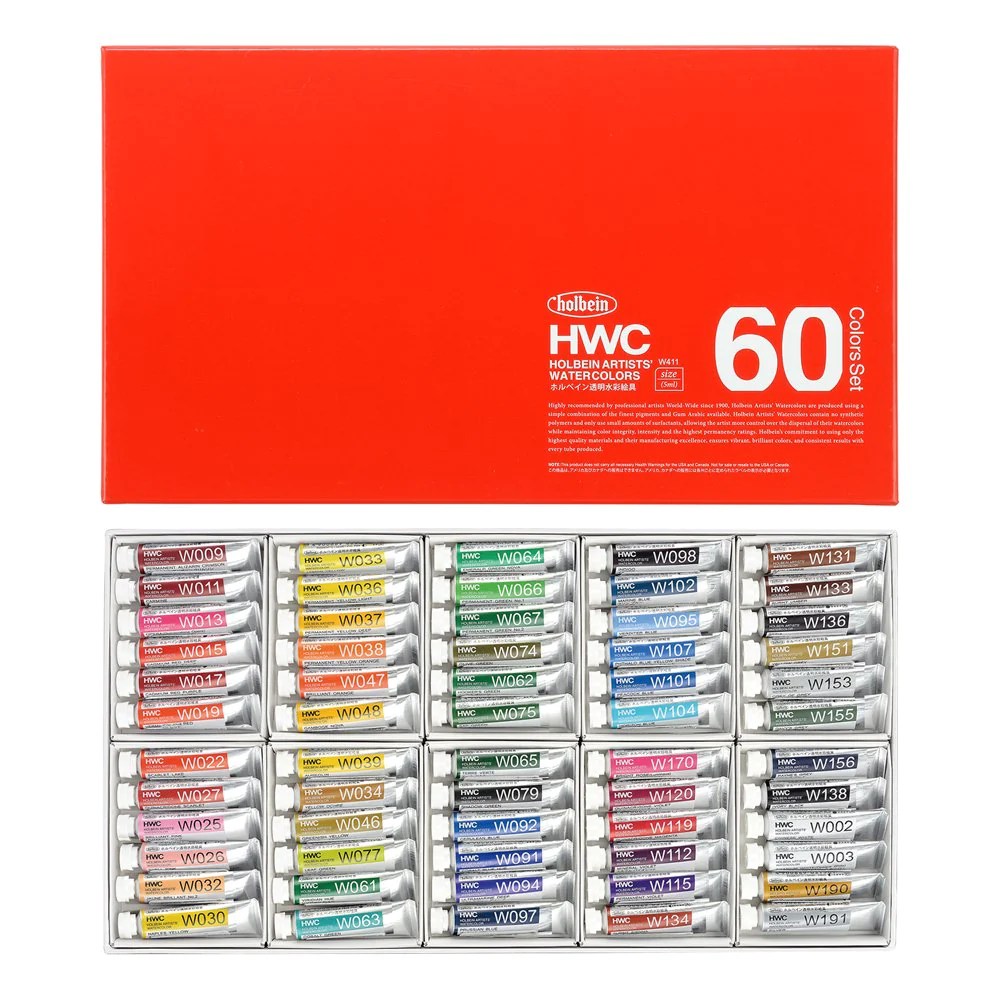
- Watercolor Paints: Start with a basic set of high-quality watercolor paints. (either in tubes or pans) Look for sets that include primary colors (red, yellow, blue) and a few additional shades to broaden your palette.
There are many different watercolor brands out there, I like Holbein and Windsor & Newton. You can choose any brands you prefer. - Brushes: A variety of sizes and shapes will help you experiment with different strokes and effects. A good starter kit includes round brushes: small (around size 2-4) for fine details, medium (around size 6-8), and large (size around 10-12) for backgrounds or larger areas.
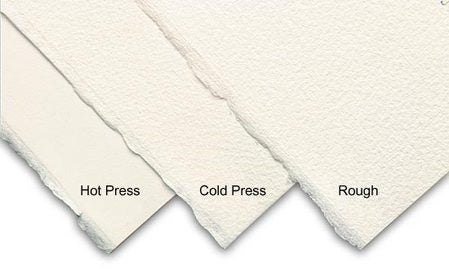
- Paper: Watercolor paper is thicker than regular paper and is designed to hold moisture without warping. Look for cold-pressed paper. It comes in different weights, 140lb watercolor paper is thicker and more durable than 90lb paper, making it an excellent choice for beginners.
- Palette: You’ll need a palette to mix your colors. Some paint sets come with a built-in palette, or you can purchase a separate one.
- Water Jar: I would also recommend using 2 water containers, one for cleaning the brushes, and the other one for adding clean water while painting, this will keep the mixtures cleaner.
- Paper Towels or a Rag: Useful for blotting brushes, correcting mistakes, and absorb extra water from your brushes.
Basic Techniques to Master
- Wet on Wet: Apply water to your paper before adding color. This technique allows for soft, diffused edges and beautiful color gradients.
- Wet on Dry: Paint directly onto dry paper for more control and sharper lines. This is great for details and textures.
- Dry Brush: With very little water, drag your brush across the paper. This creates a rough texture, perfect for simulating things like grass or bark.
- Layering: Also known as glazing, layering involves applying thin washes of paint over dried layers to build depth and complexity.
Tips for Success
- Embrace Mistakes: Watercolor is unpredictable, and that’s part of its charm. Learn from your “happy accidents” and use them to develop your unique style.
- Practice Regularly: Like any skill, watercolor painting improves with practice. Set aside time to paint regularly, even if it’s just for a few minutes a day.
- Experiment: Don’t be afraid to try new techniques, mix colors, and play with textures. Experimentation is key to finding what works for you.
- Seek Inspiration: Look to nature, art books, and other artists for inspiration. Social media and art websites are great places to find a community of watercolor enthusiasts.
Final Thoughts
Watercolor painting is a journey of discovery, filled with both challenges and immense rewards. As you begin this journey, remember that every artist was once a beginner. With patience, practice, and a willingness to learn, you’ll find your own voice within the vibrant world of watercolors. Happy painting!
 Illustration Artist
Leave a comment